Guide to buying a motorcycle helmet online in the UK
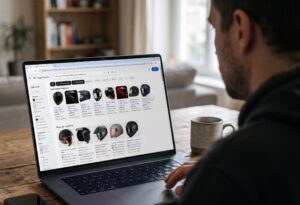
Buying a motorcycle helmet online gives you access to a wide range of products, competitive prices and convenient home delivery. However, choosing your helmet online is different from buying most other items online.
A motorcycle helmet is your most important piece of protective equipment. The right helmet must not only meet UK safety standards for road use, it must also fit correctly and feel comfortable to wear.
This guide explains what to look for when buying a helmet online, how to avoid common pitfalls, and how to improve your chances of finding a helmet that fits properly.
This guidance is intended for riders buying helmets from UK retailers. Consumer rights and returns policies may differ when purchasing from online retailers based outside the UK.
Why helmet fit matters
Even the safest helmet can only provide the protection it was designed for if it fits well.
A helmet should feel snug all around your head, with the lining making firm contact with your cheeks and around your head. When you turn your head, the helmet should move with you rather than sliding independently.
Research has shown that almost one in nine helmets come off riders’ heads during fatal crashes, highlighting how important correct fit is.
Finding the right fit can be difficult because:
- Sizing varies between manufacturers
- Different helmet models suit different head shapes
- Comfort can only be assessed by wearing a helmet for a period of time
In a retail shop, you can try several helmets and receive advice from highly experienced staff. When shopping online, it often takes more research and careful checking to arrive at a short list of potential helmets to try.
How to establish whether your helmet may not be the right fit:
Signs a helmet may be too large:
- It moves independently when you turn your head
- The cheek pads do not make firm contact with your face
- It can be rolled off your head or slips excessively if tilted forward/backward
- It feels loose at the crown of your head
Signs a helmet may be too small:
- It causes painful pressure points
- You develop discomfort after just a few minutes
- It feels excessively tight around your forehead or temples
- It is difficult to put on or remove
- Glasses are pinched on your ears
Buy from reputable retailers
SHARP recommends buying motorcycle helmets online from reputable retailers.
Established online retailers are more likely to:
- Sell genuine helmets that meet UK helmet safety requirements
- Provide clear product information and options to filter by feature, size, price etc
- Offer professional fitting advice
- Support customers with returns and exchanges
Buying from online marketplaces or overseas sellers can make it more difficult to verify a helmet’s origin, compliance with UK regulations, or understand what help will be available should something go wrong.
Check safety standards and authenticity
Before buying your chosen helmet online, make sure the helmet is approved for road use in the UK. Look for information confirming that the helmet complies with UN ECE 22.06 regulations, which ensure helmets meet minimum safety requirements.
Other things you can do:
- Lookup the SHARP safety rating for your chosen helmet; if the exact same make and model is not listed, is there a trend of star rating for that brand?
- Find independent helmet reviews on forums and social media channels
- Buy from authorised or well-established retailers wherever possible
- Be cautious of unusually low prices. If a deal appears too good to be true, it is worth investigating further before making a purchase.
Need help choosing?
If you are unsure about sizing, fit or helmet features, contact the retailer before ordering.
Many specialist helmet retailers can help narrow down the most suitable options before you order and offer fitting advice by telephone or video call.
Trying on a helmet at home
One advantage of buying online is that you can assess the fit and comfort of a helmet in your own home. Some fitting issues do not become obvious immediately. Wearing a helmet indoors for 20 to 30 minutes can help you identify pressure points or discomfort.
When trying on a helmet:
- Keep all labels and tags attached
- Leave any protective visor or hygiene film in place
- Only wear the helmet indoors
- Follow the retailer’s instructions for returns
If a helmet is not right for you, taking care to return it in the same condition it arrived in is helpful for everyone.
- It ensures you remain eligible for a full refund or exchange
- It allows the retailer to offer the helmet to another rider as a new product
- It reduces stock waste, unnecessary costs and pressure on prices across the motorcycling community
What if the helmet arrives damaged?
A helmet should arrive in excellent condition.
When your helmet is delivered:
- Inspect the packaging carefully
- Check the visor and shell for scratches or damage
- Make sure all accessories, certification labels and documentation are present
If you find any damage, take photographs and contact the retailer promptly.
When returning a helmet, repack it carefully so it is protected during transit.
Understanding your rights
UK consumers buying helmets online generally have legal protection under UK consumer rights legislation. In most cases, you can cancel an online purchase within 14 days of receiving the goods and then have a further 14 days to return them.
You are normally entitled to inspect a helmet to decide if it is suitable, in much the same way as you would in a shop. However, retailers may reduce a refund if a returned helmet shows signs of use beyond what would be expected during a reasonable inspection (such as the removal of labels or protective visor film).
Before buying, always make sure to find and read the retailer’s own returns policy, as many retailers offer additional support such as:
- Free returns
- Size exchanges
- Extended return periods
- Online returns portals
Should you buy a second-hand helmet?
SHARP recommends buying new motorcycle helmets wherever possible.
The challenge with second-hand helmets is that you cannot be certain how they have been treated during their lifetime. Damage caused by poor storage, wear, or accidental drop may not be visible from the outside. Nor can you tell if parts have been modified or replaced.
A new helmet purchased from a reputable retailer offers much greater confidence in its condition and history.